| SOC 2 is an independent assurance report that evaluates whether a service organization has the right controls in place to protect customer data across security, availability, processing integrity, confidentiality, and privacy domains. |
What is SOC 2?
The definition of SOC 2 entails:
- SOC 2 is an assurance report, not a certification, issued by an independent CPA firm.
- It evaluates how organizations protect customer data and operate secure systems.
- It is based on five Trust Services Criteria: security, availability, processing integrity, confidentiality, and privacy.
- SOC 2 compliance is commonly required for SaaS, cloud, fintech, healthcare technology, AI, and managed service providers.
- It is driven by customer trust and vendor risk requirements, often impacting contract approvals and renewals.
What is SOC 2 Compliance?
SOC 2 compliance is a voluntary auditing standard developed by the AICPA that evaluates how service organizations manage and protect customer data.
It focuses on internal controls across five Trust Services Criteria: security, availability, processing integrity, confidentiality, and privacy.
For SaaS companies, cloud providers, and any organization handling sensitive client data, SOC 2 serves as a recognized way to demonstrate that systems are secure, and controls are operating as expected.
SOC 2 reports are issued in two forms:
- Type I evaluates whether controls are properly designed and implemented at a specific point in time.
- Type II goes further, assessing whether those controls operated effectively over a defined period, typically between 3 and 12 months.
Type II is the expected standard for most enterprise buyers and vendor risk assessments because it provides evidence of consistent performance.
Why Mid-Market Organizations Need to Be Mindful of SOC 2
SOC 2 stands for System and Organization Controls 2, and with that in mind, mid-market organizations are increasingly operating like enterprise vendors, whether they intend to or not. They handle customer data, integrate into client systems, rely on cloud infrastructure, and depend on third-party SaaS platforms to run core operations.
SOC 2 is specifically designed for service organizations whose systems impact the security, availability, processing integrity, confidentiality, or privacy of customer information. That definition applies directly to how many mid-market businesses operate today.
Proving Trust for Customers
SOC 2 allows organizations to prove trust before a customer asks for it. Enterprise and regulated buyers are no longer satisfied with basic security questionnaires or informal assurances. They expect standardized, rigorous third-party validation.
“A reputation once broken may possibly be repaired, but the world will always keep their eyes on the spot where the crack was.” – Joseph Hall
We live in a world where trust is everything. Customers trust you with their personal information, businesses trust you with their data, and if that trust is broken, the fallout can be brutal.
One cyber breach or data leak? Years of reputation-building can come crashing down.
It’s not just the immediate financial hit. Sure, data leaks cost money to fix, but the real damage is to your reputation. Imagine this: your customers’ personal data — credit cards, passwords, even sensitive health info — gets leaked. You’re front-page news, but not in a good way. Now, every time someone Googles your company, they see headlines about your breach instead of your success stories.
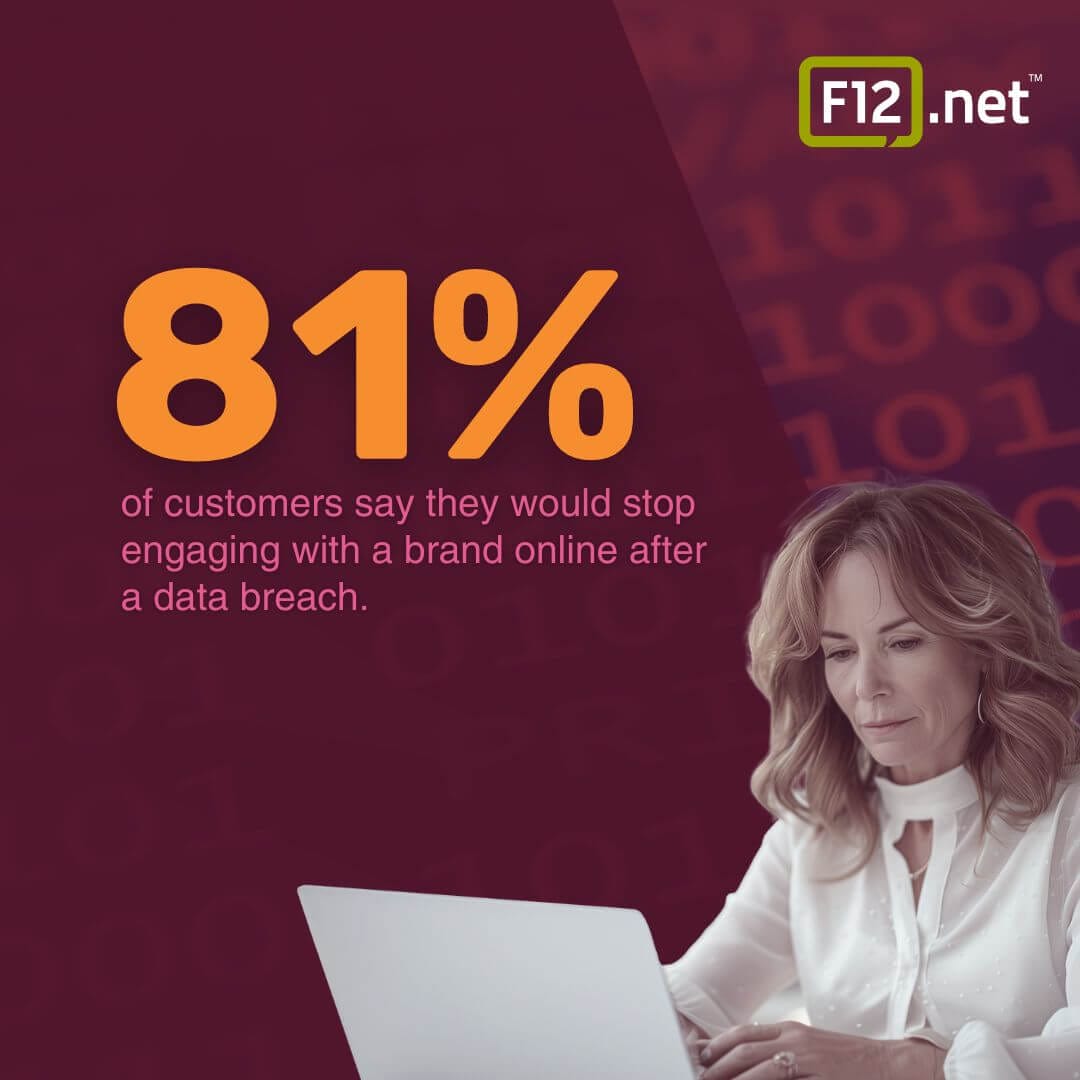
And guess what? 81% of customers say they would stop engaging with a brand online after a data breach.
Revenue Growth
There is also a direct connection between SOC 2 and revenue growth. In sectors like SaaS, cloud, fintech, healthcare technology, and managed services, SOC 2 is often part of procurement and vendor onboarding requirements. Its value goes beyond compliance.
Third-Party and Vendor Risk
Recent data shows a significant increase in breaches involving third parties, along with a growing rate of vulnerability exploitation. As a result, organizations are placing more scrutiny on the vendors they work with.
Mid-market companies are now expected to demonstrate that they can manage risk effectively, not just claim that they do. SOC 2 provides a credible way to meet that expectation.
Importance of SOC 2 in Canada
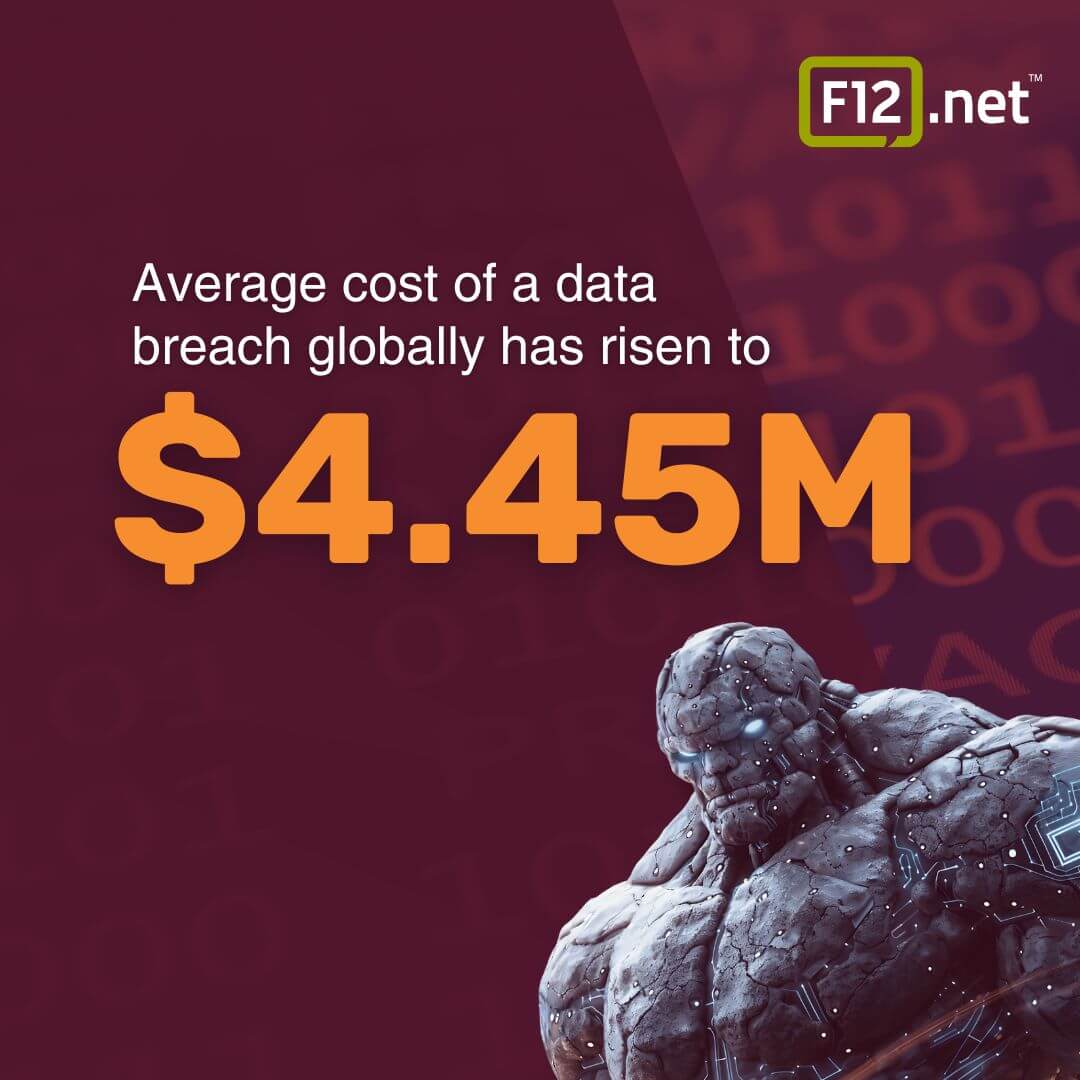
The importance of SOC 2 compliance for Canadian companies continues to grow as cybersecurity risks intensify. According to the latest Ponemon Institute report from 2023, the average cost of a data breach globally has risen to $4.45 million USD (approximately CAD 6 million).
In Canada specifically, the healthcare industry has seen some of the highest breach costs, with detection and escalation expenses becoming the most significant part of breach-related costs. These figures underscore the value of SOC 2 compliance as a framework for protecting sensitive data, aligning with the increasing financial risks companies face from breaches.
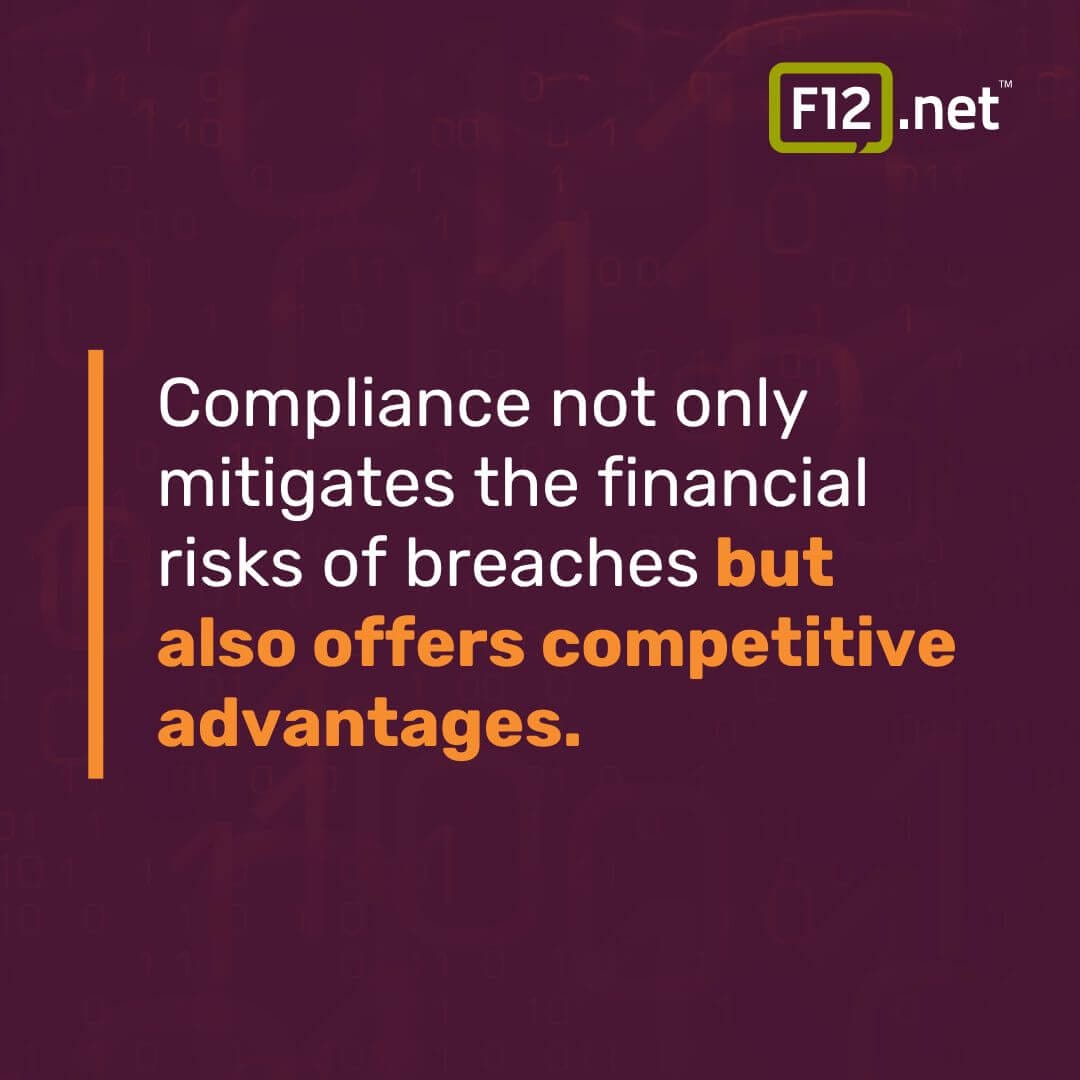
SOC 2 may not be a legal requirement in Canada, but its alignment with privacy regulations like PIPEDA enhances data protection and helps businesses build trust with stakeholders. Compliance not only mitigates the financial risks of breaches but also offers competitive advantages. As per a Tech Evaluate survey, 95% of businesses that adopted SOC 2 compliance reported positive impacts on their reputation.
Incorporating SOC 2 into business processes becomes increasingly critical for Canadian organizations, especially in sectors where data security is essential.
“SOC 2 compliance aligns with best practices and plays a crucial role in building trust, ensuring data security across borders, and offering a competitive edge for businesses in today’s interconnected digital landscape” — AuditBoard, 2024
SOC 2 Type I vs Type II (Quick Comparison)
What Is SOC 2 Type I?
SOC 2 Type I evaluates whether an organization’s controls are suitably designed and implemented at a specific point in time. It is essentially a snapshot of your security posture.
This type of report is often used by companies early in their SOC 2 journey to demonstrate initial maturity or to quickly provide customers with assurance.
What Is SOC 2 Type II?
SOC 2 Type II evaluates whether those same controls were not only suitably designed, but also operated effectively over a defined period of time. This observation window is typically between 3 and 12 months, with 6 to 12 months being most common.
Type II requires ongoing evidence such as access reviews, change approvals, incident logs, vulnerability scans, vendor assessments, and training records. SOC 2 Type II requires a service organization to “show its work”. As a result, it provides a much stronger level of assurance.
How Buyers View Type I vs Type II
Type I can be sufficient to demonstrate baseline readiness and support early-stage customer conversations. However, most enterprise buyers, regulated industries, and procurement teams expect a full Type II report because it shows that controls are consistently followed in real-world operations.
SOC 2 Type I vs Type II at a Glance
| Category | SOC 2 Type I | SOC 2 Type II |
|---|---|---|
| Core Focus | Controls are designed and implemented | Controls are designed and operating effectively |
| Timeframe | Point-in-time (snapshot) | Evaluated over a period (typically 3–12 months) |
| Purpose | Demonstrates initial security maturity | Demonstrates sustained, real-world control performance |
| Buyer Perception | Helps with early-stage vendor reviews | Preferred by enterprise buyers and regulated industries |
| Audit Effort | Lower effort, validates setup once | Higher effort, requires ongoing evidence collection |
| Evidence Required | Policies, configurations, control design | Ongoing logs, reviews, approvals, training records |
| Best Use Case | First SOC 2 report or early-stage readiness | Mature compliance and enterprise sales readiness |
| Key Question Answered | Are the right controls in place? | Did those controls work in practice over time? |
What a SOC 2 Audit Actually Evaluates
A SOC 2 audit evaluates whether a service organization has implemented controls that align with the AICPA Trust Services Criteria: security, availability, processing integrity, confidentiality, and privacy.
Security is the foundation of every SOC 2 audit. The other criteria are included based on the organization’s services, commitments, and risk profile.
SOC 2 audits make a clear distinction between control design and operating effectiveness.
- In a Type I audit, the auditor assesses whether controls are properly designed and implemented at a specific point in time.
- In a Type II audit, the focus shifts to whether those controls were consistently executed over a defined period, requiring evidence that they operated as intended over several months.
What Security and Operational Controls Are Reviewed in SOC 2?
| Control Area | SOC 2 Type I (Design) | SOC 2 Type II (Operating Effectiveness) |
|---|---|---|
| Governance & Risk Management | Policies defined, risk framework documented, ownership assigned | Evidence risk assessments are performed regularly, policies reviewed and updated, ownership exercised |
| Access & Identity Controls | Access policies exist, MFA enforced, roles defined | Access reviews completed on schedule, user changes tracked, terminated users removed consistently |
| Onboarding / Offboarding | Processes documented for provisioning/deprovisioning | Evidence onboarding/offboarding tickets, timely removal of access, audit trails of changes |
| Change Management | Change process defined, approval workflow exists | Change tickets show approvals, testing, and traceability over time |
| Monitoring & Incident Response | Monitoring tools in place, incident response plan documented | Alerts investigated, incidents logged, response procedures followed consistently |
| Data Protection & Backup | Backup policies defined, data protection controls designed | Backup jobs executed, recovery tests performed, logs show consistent operation |
| Vendor & Third-Party Management | Vendor review process defined, inventory exists | Vendor assessments completed, reviews updated periodically, risks tracked |
| Security Awareness Training | Training program defined | Training completion tracked, evidence employees complete training regularly |
What Evidence and Documentation Does SOC 2 Require?
| Evidence Type | SOC 2 Type I (Design Evidence) | SOC 2 Type II (Operational Evidence) |
|---|---|---|
| Policies & Procedures | Documented policies and procedures exist | Evidence policies are reviewed, approved, and followed over time |
| System Descriptions | Systems and control environment documented | Systems operate as described, supported by ongoing records |
| Control Matrix / Framework | Controls mapped to Trust Services Criteria | Controls executed consistently and tied to real activities |
| Access Controls Evidence | Sample user lists, access design, role definitions | Periodic access review reports, logs of access changes, termination records |
| Change Management Evidence | Example change ticket showing process exists | Multiple tickets showing approvals, testing, deployments over time |
| Monitoring & Incident Evidence | Sample logs or alert screenshots | Continuous logs, incident records, investigation documentation |
| Vulnerability Management | Vulnerability scanning process defined | Scan results over time, remediation tracking, repeated execution |
| Backup & Recovery Evidence | Backup procedures documented | Backup logs, test restores, evidence of successful recovery testing |
| Vendor Management Evidence | Vendor list and due diligence process | Completed vendor reviews, reassessments, risk tracking over time |
| Training Records | Training program defined | Completion records, tracking reports across employees |
| Audit Logs & Reports | Sample logs demonstrating capability | Time-stamped logs showing continuous control operation |
What Does a SOC 2 Report Actually Contain?
| Section | SOC 2 Type I | SOC 2 Type II |
|---|---|---|
| Independent Auditor’s Report | Opinion on whether the system is fairly presented and controls are suitably designed at a point in time | Opinion on whether controls are designed and operated effectively over a defined period |
| Management Assertion | Management confirms responsibility for system and control design | Same as Type I, plus accountability for consistent operation over time |
| System Description | Defines scope: services, systems, infrastructure, people, and boundaries at a point in time | Same scope definition, but must remain accurate across the audit period |
| Control Descriptions | Lists controls aligned to Trust Services Criteria | Same controls, but must demonstrate consistent execution over time |
| Testing Procedures | Limited testing to confirm controls exist and are implemented | Detailed testing procedures showing how controls were evaluated throughout the audit window |
| Test Results & Exceptions | Minimal and not in-depth | Core section showing results, including any exceptions or deviations |
| Trust Services Criteria Mapping | Controls mapped to applicable criteria (security, availability, etc.) | Same mapping, validated through operational testing |
| Other Information (Optional) | May include additional management context (not audited) | Same, but often includes responses to findings or context on exceptions |
SOC 2 Implementation in 6 Practical Steps (Type I and Type II)
Organizations interested in SOC 2 can get started by taking these six practical steps.
1. Define Scope and Audit Type
Type I:
- Define systems, data, teams, and vendors in scope
- Select a point-in-time assessment to validate control design
- Focus on proving controls exist today
Type II:
- Define the same scope, but ensure it can be sustained over time
- Plan for a 3–12 month audit window
- Focus on proving controls will operate consistently
2. Select Applicable Trust Services Criteria
Type I:
- Select security as the baseline
- Add criteria based on current service commitments
- Ensure controls are mapped correctly at design level
Type II:
- Select criteria aligned to real-world operations and customer expectations
- Validate that selected criteria can be supported consistently over time
- Ensure controls can generate repeatable evidence
3. Run Readiness Assessment and Gap Analysis
Type I:
- Identify missing or incomplete controls
- Document policies and assign ownership
- Close obvious gaps before audit
Type II:
- Identify gaps in execution, not just design
- Validate that processes are repeatable and measurable
- Ensure ownership and accountability are enforced over time
4. Implement and Document Controls
Type I:
- Formalize controls (access, MFA, change management, incident response, etc.)
- Ensure policies and procedures are documented
- Assign clear ownership
Type II:
- Ensure controls are not just implemented, but operationalized
- Embed controls into daily workflows (tickets, approvals, monitoring)
- Validate consistency across teams and systems
5. Collect Evidence
Type I:
- Gather point-in-time evidence (policies, configs, screenshots, sample logs)
- Demonstrate controls are in place on a specific date
Type II:
- Collect ongoing, time-stamped evidence across the audit period
- Include access reviews, logs, tickets, training records, vendor reviews, scan results
- Prove controls operated consistently over time
6. Complete the Audit and Maintain Compliance
Type I:
- Complete audit to validate design and implementation
- Use report to demonstrate initial maturity
Type II:
- Complete audit with detailed testing and results
- Maintain continuous evidence collection, reviews, and updates
- Ensure readiness for ongoing annual audits
The Takeaway
- Type I: Proves your SOC 2 program is designed and implemented
- Type II: Proves your controls truly work, consistently, over time
Where Most SOC 2 Projects Fail
SOC 2 projects rarely fail because controls don’t exist. They fail because execution, consistency, and ownership break down in practice.
Poor Scoping at the Start
SOC 2 issues often begin with scope. Organizations either include too many systems, products, vendors, or Trust Services Criteria too early, or they exclude systems on which customers rely. Because SOC 2 is tied to real data flows and commitments, the scope must reflect how the business actually operates.
Treating Type II Like a One-Time Project
Type II audits evaluate performance over time. Projects fail when controls such as access reviews, vulnerability scans, backups, and vendor reviews are performed inconsistently instead of on a defined, repeatable schedule.
Weak Evidence Collection
Many organizations have proper controls but cannot demonstrate they were followed. SOC 2 requires time-stamped evidence such as tickets, logs, approvals, review records, scan results, and training reports. Without consistent evidence, controls are treated as ineffective.
Access Control Failures
Access control is one of the most common sources of audit exceptions. Issues typically include delayed employee deprovisioning, excessive permissions, missed access reviews, weak privileged access controls, and incomplete multi-factor authentication enforcement.
Change Management Gaps
In fast-moving environments, production changes may not follow a controlled process. Missing approvals, lack of testing evidence, and poor traceability between tickets and deployments create gaps that auditors will flag quickly.
Unclear Control Ownership
Controls fail when no one holds accountability for them. Without clear ownership tied to systems and workflows, activities like reviews, approvals, and monitoring do not happen consistently. High-functioning service organizations assign named owners to each control.
SOC 2 in Modern IT Environments
SOC 2 has evolved from a static compliance exercise into a continuous assurance model. In modern IT environments, systems are cloud-based, SaaS-driven, API-connected, and constantly changing.
As a result, SOC 2 is no longer about preparing for an audit once a year. Controls must operate continuously, with consistent evidence that security and operational practices are embedded into daily workflows.
Cloud Infrastructure
Cloud infrastructure has significantly expanded the audit surface. SOC 2 now commonly evaluates identity and access management, cloud configurations, encryption, logging, vulnerability management, backups, vendor dependencies, and incident response across platforms like Microsoft Azure, Amazon Web Services (AWS), and SaaS applications.
DevOps and CI/CD
DevOps and CI/CD practices are central to SOC 2 evaluations. Auditors increasingly focus on how code changes are tested, reviewed, approved, and deployed.
This includes role-based access to repositories, pull request reviews, automated testing, vulnerability scanning, and clear deployment records. The ability to trace a change from request to release is vital in modern environments.
Automation
Automation has become essential for maintaining SOC 2 compliance at scale. Many organizations rely on Governance, Risk, and Compliance (GRC) systems and security tooling to automatically collect evidence from identity platforms, cloud environments, ticketing systems, endpoint tools, and code repositories.
Zero Trust
Zero Trust principles align closely with SOC 2 expectations. Practices such as least privilege access, multi-factor authentication, device validation, network segmentation, and continuous monitoring directly support the security criteria. Organizations that adopt these approaches are best positioned to demonstrate consistent control execution.
What SOC 2 Success Looks Like in Practice
SOC 2 success is directly tied to whether controls are consistently executed, evidenced, and embedded into business operations.
Controls Are Embedded in Daily Operations
SOC 2 success means controls are not performed just for audit readiness. Activities like access reviews, vendor assessments, vulnerability scans, change approvals, backups, incident response, and security training happen on a defined schedule as part of normal operations.
Teams follow processes because they are part of how the business runs, not because an audit is approaching.
Evidence Is Always Audit-Ready
Strong SOC 2 programs do not scramble for documentation. Evidence is time-stamped, organized, and mapped directly to controls. Logs, tickets, approvals, training records, and policy acknowledgments are consistently captured as work happens, making audit preparation a validation step rather than a reconstruction effort.
Scope Is Clear and Defensible
A successful SOC 2 report reflects the systems and services customers rely on. Scope is clearly defined across products, infrastructure, data flows, vendors, and applicable Trust Services Criteria. This ensures the report is meaningful to customers and aligned with real-world usage, not artificially narrowed or overly complex.
Ownership Is Clearly Assigned
Every control has a defined owner, execution cadence, evidence source, and escalation path. There is no ambiguity around who is responsible for access control, vendor management, incident response, or change management. This clarity ensures controls are executed consistently and issues are addressed quickly.
Type II Results Are Clean or Explainable
In a mature SOC 2 program, Type II results show that controls operated effectively over the audit period. Exceptions, if they occur, are limited and clearly documented, with defined remediation actions.
How to Get SOC 2 Ready Without Overloading Your IT Team
If you are reviewing partners for IT support, managed IT services, cloud, infrastructure, or security, SOC 2 should be part of your evaluation criteria from day one.
It provides a consistent, credible way to assess whether a provider can operate securely in your environment.
If you are building that shortlist, F12.net should be part of the conversation. F12 has been audited annually under SOC 2 Type II since 2015.
FAQ
What is SOC 2 Compliance?
SOC 2 compliance means a service organization has undergone an independent audit process that evaluates whether it has the right controls in place to protect customer data. The assessment is based on the AICPA Trust Services Criteria: security, availability, processing integrity, confidentiality, and privacy.
Who Needs SOC 2 Compliance?
SOC 2 is highly relevant for organizations that store, process, or manage customer data on behalf of others. This includes SaaS companies, cloud providers, fintech platforms, healthcare technology firms, managed service providers, and data processing organizations. It is typically driven by customer and vendor risk requirements, especially when selling to enterprise or regulated buyers who need assurance that their data is handled securely.
How Much Does SOC 2 Cost?
The cost of SOC 2 varies depending on scope, complexity, and current maturity. Key price factors include the number of systems in scope, your selected Trust Services Criteria, your internal readiness, and whether you pursue Type I or Type II. Costs generally include readiness efforts, tooling, and the external audit. For mid-market organizations, the total investment can range from tens of thousands to over six figures when factoring in internal time, remediation, and ongoing compliance requirements. The more prepared and structured your environment is, the lower the overall cost and effort.